
The Biggest Forex Trading Mistakes Beginners Make
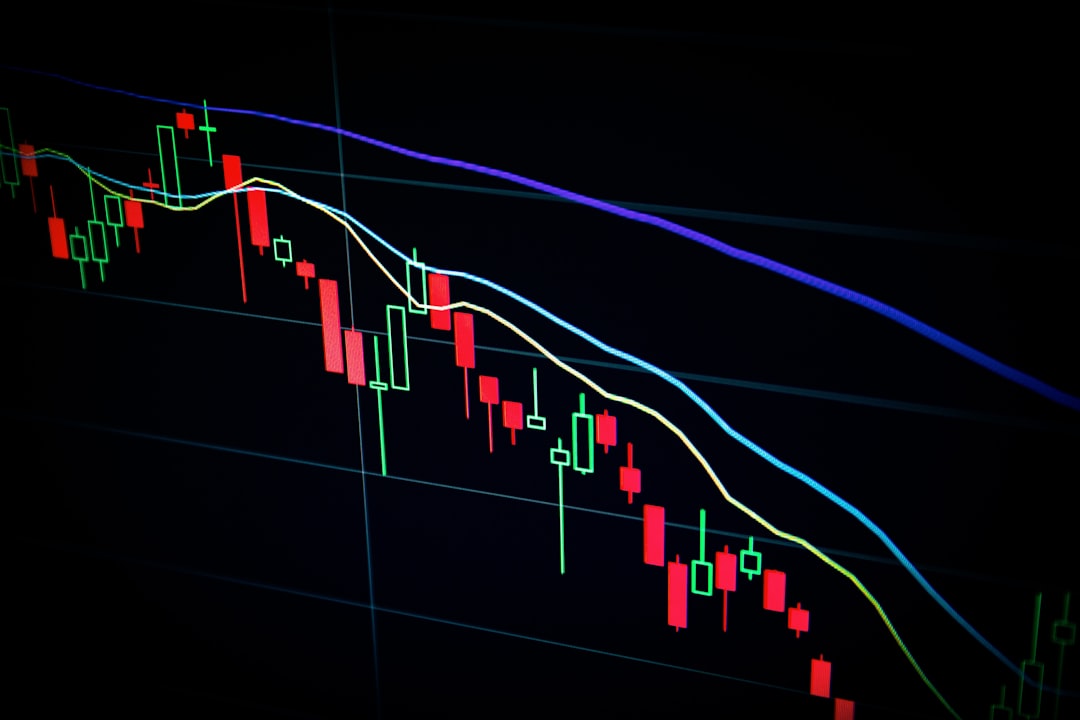
Starting your Forex trading journey can be both exciting and overwhelming. New traders often fall into predictable traps that drain their accounts and damage their confidence. Understanding these common mistakes before you encounter them can save you significant losses and accelerate your learning curve. This guide reveals the seven biggest errors beginners make and practical strategies to avoid them.
Trading Without a Solid Plan
Many beginners enter the Forex market without a clear trading plan, hoping to figure things out as they go. This approach is similar to sailing without a map—you might move, but you won't reach your destination efficiently. A trading plan defines your entry and exit rules, risk tolerance, and profit targets before you place a single trade. Without this framework, you'll make emotional decisions based on fear or greed rather than logic.
Your plan should include specific criteria for trade selection, position sizing rules, and daily loss limits. Write down your strategy and review it before each trading session. Successful traders know that consistency comes from following a well-tested plan, not from chasing random opportunities. Document your trades in a journal to identify patterns in your decision-making and continuously refine your approach.
Overleveraging and Poor Risk Management
Leverage is a double-edged sword in Forex trading. While it allows you to control large positions with small capital, it also magnifies losses. Beginners often use maximum leverage available, risking their entire account on one or two trades. This mistake is the primary reason most new traders fail within their first year.
| Risk Level | Position Size | Account Risk | Outcome |
|---|---|---|---|
| Conservative | 1-2% per trade | Low | Sustainable growth |
| Moderate | 3-5% per trade | Medium | Higher volatility |
| Aggressive | 10%+ per trade | High | Account blown |
Professional traders never risk more than 1-2% of their account on a single trade. This conservative approach ensures that even a series of losses won't destroy your trading capital. Calculate your position size based on your stop-loss distance, not on how much profit you want to make. Remember that protecting your capital is more important than making quick profits.
Ignoring Economic Fundamentals and News
Technical analysis is important, but ignoring fundamental factors is a critical mistake. Currency values are directly influenced by economic data releases, central bank decisions, and geopolitical events. Trading through major news announcements without awareness can result in unexpected volatility and rapid losses.
Monitor economic calendars daily and understand which indicators affect your traded pairs. Key data points include interest rate decisions, GDP reports, employment numbers, and inflation data. For traders interested in international markets including Iran, understanding how global monetary policy and sanctions affect currency flows is essential. Avoid opening new positions immediately before high-impact news events unless you have a specific news trading strategy.
Emotional Trading and Revenge Psychology
Perhaps the most destructive mistake beginners make is allowing emotions to control their trading decisions. Fear and greed are powerful forces that lead to impulsive actions. After a losing trade, many beginners immediately jump back into the market trying to recover their losses—a behavior known as revenge trading.
This emotional response typically leads to larger losses because decisions are made without proper analysis. Similarly, after winning trades, overconfidence can cause traders to increase position sizes beyond their risk management rules. Develop emotional discipline by taking breaks after both wins and losses. If you feel angry, frustrated, or overly excited, step away from your trading platform. The market will always be there tomorrow, but your capital won't survive emotional decision-making.
Lack of Education and Unrealistic Expectations
Many beginners enter Forex expecting quick riches, influenced by misleading marketing claims. They start trading real money without sufficient education or practice. Trading education is an ongoing investment that pays dividends throughout your career. Dedicate time to learning about technical analysis, fundamental analysis, and trading psychology before risking significant capital.
Use demo accounts to practice strategies for at least three months before trading real money. Understand that professional traders typically aim for 5-15% monthly returns, not the 100% gains often advertised. Set realistic profit targets and focus on consistent improvement rather than overnight success. Study successful traders, read reputable trading books, and consider structured educational programs that cover risk management, market analysis, and psychological aspects of trading.
Avoiding these common mistakes requires discipline, education, and patience. Focus on developing solid risk management habits, creating a detailed trading plan, and continuously improving your knowledge. Remember that Forex trading is a marathon, not a sprint. By learning from others' mistakes rather than making them all yourself, you'll build a foundation for long-term trading success. Start small, trade smart, and let compound growth work in your favor over time.