
How to Start Learning Forex Trading Step by Step
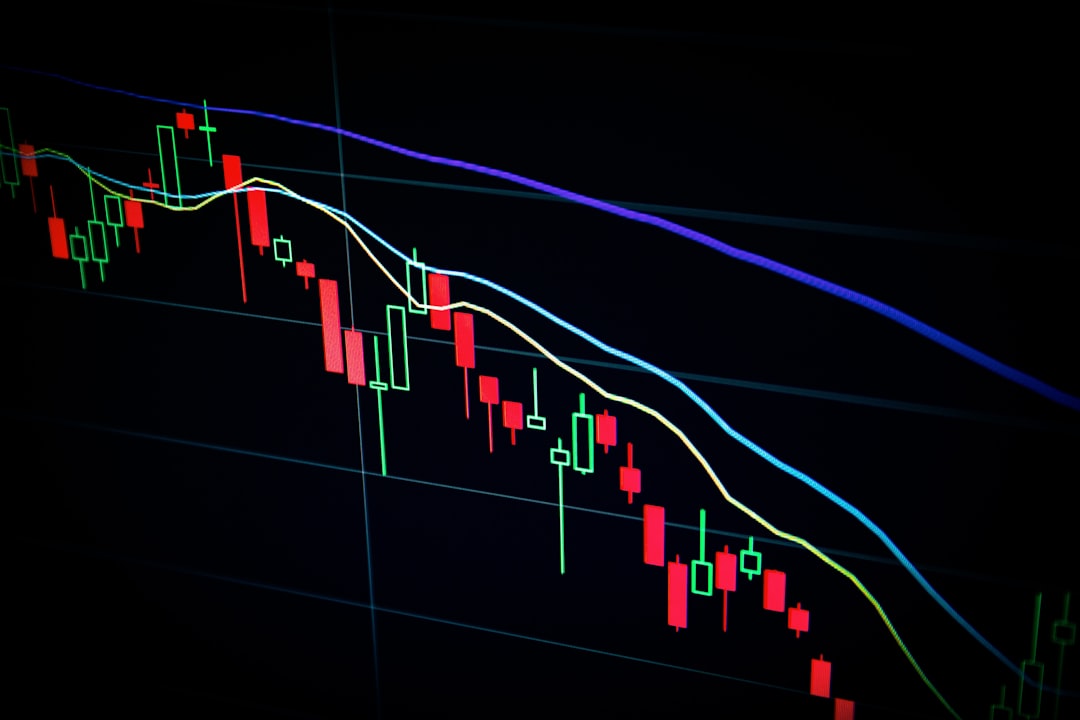
Starting your Forex trading journey can feel overwhelming with countless terms, strategies, and platforms to navigate. Many beginners rush into live trading without proper preparation, leading to unnecessary losses and frustration. This comprehensive guide breaks down the learning process into manageable steps, helping you build a solid foundation in currency trading while understanding the risks involved and developing the discipline needed for long-term success in the Forex market.
Understanding Forex Market Fundamentals
Before placing your first trade, you must grasp what the Forex market actually is. Forex (foreign exchange) is the global marketplace where currencies are traded 24 hours a day, five days a week. Unlike stock markets, Forex operates through a decentralized network of banks, brokers, and traders worldwide. Currency pairs like EUR/USD or GBP/JPY represent how much of one currency you need to buy another. The first currency is the base currency, and the second is the quote currency. Understanding price movements, pips (smallest price changes), and lots (trading volumes) forms the foundation of your trading knowledge. Take time to learn how economic events, interest rates, and geopolitical factors influence currency values before moving to practical trading.
Essential Forex Terminology You Must Know
Mastering Forex terminology prevents confusion and helps you understand trading materials effectively. Here's a breakdown of critical concepts every beginner must learn:
| Term | Definition | Why It Matters |
|---|---|---|
| Leverage | Borrowed capital to increase position size | Amplifies both profits and losses |
| Spread | Difference between bid and ask price | Your trading cost per transaction |
| Margin | Required deposit to open leveraged positions | Determines how much you can trade |
| Stop Loss | Order that closes losing trade automatically | Essential risk management tool |
Leverage is particularly important to understand—while it allows you to control larger positions with smaller capital, it significantly increases risk. A 1:100 leverage means $100 can control $10,000 in currency. Many beginners overlook the danger of over-leveraging, which is a primary cause of account losses.
Choosing Your Learning Path and Resources
Structured education prevents information overload and builds confidence systematically. Start with free educational resources from reputable brokers and financial education websites that offer beginner courses. Focus on these learning priorities:
- Technical analysis: Chart patterns, indicators, and price action reading
- Fundamental analysis: Economic calendars, news impact, and central bank policies
- Risk management: Position sizing, stop-loss placement, and capital preservation
- Trading psychology: Emotional discipline and decision-making under pressure
Avoid paid courses promising "secret strategies" or guaranteed returns. Instead, invest time in understanding market mechanics, practicing on demo accounts, and developing a personal trading plan. Join trading communities to learn from experienced traders, but always verify information independently. Remember that consistent profitability requires months or years of practice, not days.
Practicing with Demo Accounts Effectively
A demo trading account lets you practice with virtual money in real market conditions without financial risk. However, many beginners misuse demos by taking unrealistic risks they wouldn't take with real funds. Treat your demo account as if it's real money—use proper position sizing (risk only 1-2% per trade), set stop losses consistently, and track your performance systematically. Practice for at least 2-3 months before considering live trading. During this period, test different strategies, understand how spreads and execution work, and develop emotional discipline when trades go against you. Record every trade in a journal noting your entry reason, exit strategy, and emotional state. This data becomes invaluable for identifying patterns in your decision-making and refining your approach.
Developing Your Risk Management Strategy
Risk management separates successful traders from those who lose their accounts quickly. The golden rule: never risk more than 1-2% of your account on a single trade. If you have a $1,000 account, risk only $10-20 per trade regardless of how confident you feel. Calculate position sizes based on your stop-loss distance—wider stops require smaller lot sizes. Diversification also matters; avoid putting all capital into correlated currency pairs that move similarly. Use a risk-reward ratio of at least 1:2, meaning for every dollar you risk, target two dollars in potential profit. This approach means you can be wrong 50% of the time and still remain profitable. Understand that losses are part of trading; managing them determines your survival and growth in the market.
Starting Forex trading requires dedication, structured learning, and realistic expectations about the time needed to become consistently profitable. Focus on building solid fundamentals, practice extensively with demo accounts, and prioritize risk management over profit-seeking. Remember that Forex trading involves substantial risk of loss and isn't suitable for everyone. Begin your learning journey today with patience and discipline—the skills you develop will serve you throughout your trading career.