
The Difference Between Forex and Crypto Trading: A Complete Guide
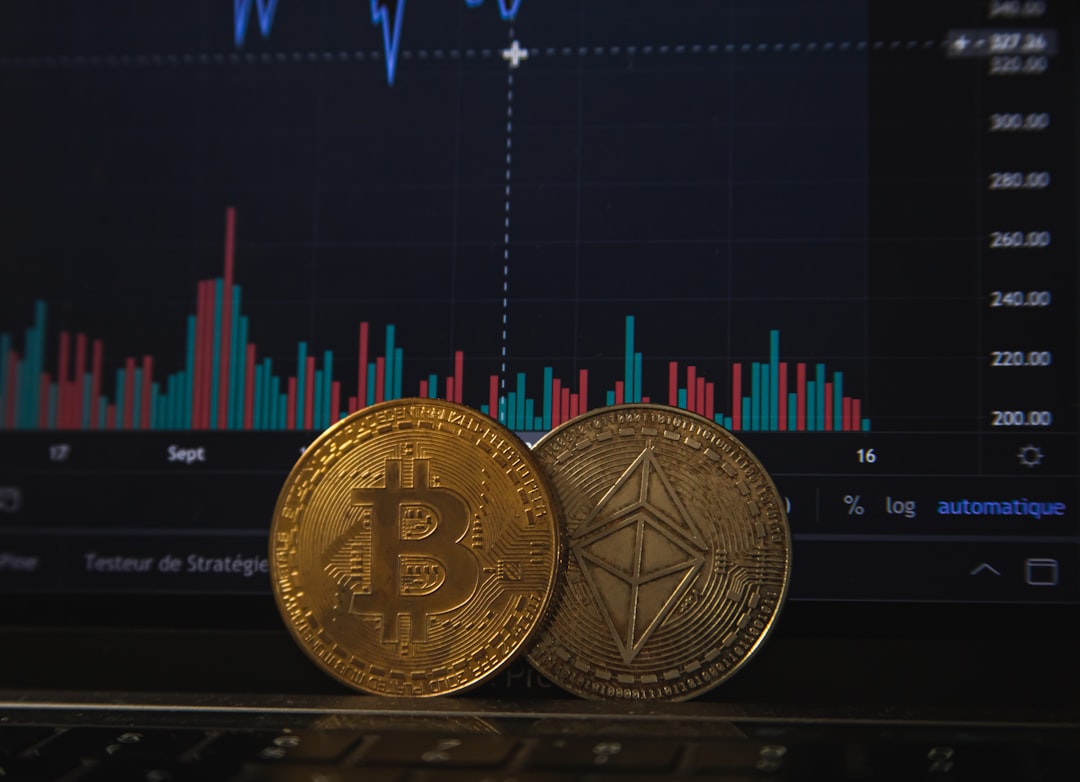
As a trader exploring financial markets, you may wonder whether Forex or cryptocurrency trading aligns better with your goals. Both markets offer profit opportunities, but they differ significantly in structure, volatility, regulation, and trading mechanics. Understanding these differences is crucial before committing capital to either market. This guide breaks down the key distinctions between Forex and crypto trading to help you make informed decisions about your trading journey.
Market Structure and Trading Hours
The Forex market is the world's largest financial market, with daily trading volumes exceeding $7 trillion. It operates as a decentralized over-the-counter (OTC) market where currencies are traded through brokers and financial institutions. Forex trading occurs 24 hours a day, five days a week, following the opening and closing of major financial centers across time zones.
Cryptocurrency markets trade 24/7 without weekend breaks, operating through decentralized exchanges and platforms. Crypto markets are significantly smaller than Forex, though they've grown rapidly. Bitcoin and major cryptocurrencies trade continuously across global exchanges, offering constant access but also requiring more vigilant risk management.
| Feature | Forex Trading | Crypto Trading |
|---|---|---|
| Market Hours | 24/5 (Mon-Fri) | 24/7 (Every day) |
| Daily Volume | $7+ trillion | $100-300 billion |
| Market Age | Decades old | Since 2009 |
| Regulation | Highly regulated | Evolving regulation |
Volatility and Risk Levels
Forex pairs typically exhibit moderate volatility, with major pairs like EUR/USD moving 0.5-1% daily under normal conditions. This predictability makes Forex suitable for traders who prefer calculated risk management and technical analysis based on established patterns.
Cryptocurrency markets are known for extreme volatility. Bitcoin can swing 5-15% in a single day, while smaller altcoins may experience even larger price fluctuations. This volatility creates opportunities for substantial gains but equally significant losses. Crypto trading demands stronger risk tolerance and disciplined position sizing to protect capital during sudden market movements.
Regulation and Security Considerations
Forex trading operates within well-established regulatory frameworks in most countries. Brokers must comply with financial authorities like the FCA (UK), CFTC (US), or CySEC (Cyprus), providing trader protections including segregated accounts and compensation schemes.
The cryptocurrency sector faces evolving and inconsistent regulation globally. While some countries embrace crypto with clear rules, others ban or restrict it. Exchange hacks, fraud, and security breaches pose additional risks. Traders must carefully research exchange reputation, security measures, and custody solutions. For traders in Iran and similar regions, understanding local regulations regarding both markets is essential before participation.
Leverage, Costs, and Execution
Forex brokers typically offer leverage up to 1:30 for retail traders in regulated markets (higher in some jurisdictions). Trading costs include spreads and commissions, generally lower for major pairs. Execution is usually fast with high liquidity.
Crypto exchanges offer varying leverage levels, sometimes reaching 1:100 or higher, though this amplifies risk dramatically. Transaction costs vary by exchange and blockchain network, with fees sometimes spiking during network congestion. Execution speed depends on blockchain confirmation times and exchange infrastructure.
- Forex advantages: Lower spreads, better regulation, mature infrastructure
- Crypto advantages: 24/7 access, emerging opportunities, portfolio diversification
- Forex risks: Leverage losses, geopolitical impacts on currencies
- Crypto risks: Extreme volatility, security vulnerabilities, regulatory uncertainty
Which Market Suits Your Trading Style?
Your choice between Forex and crypto depends on your risk tolerance, time commitment, and trading goals. Conservative traders seeking stable, regulated environments often prefer Forex, where technical analysis and fundamental factors are well-documented. Aggressive traders comfortable with high risk and constant monitoring may find crypto's volatility appealing.
Many experienced traders diversify across both markets, using Forex for steady income strategies and crypto for speculative positions. Beginners should start with demo accounts in either market, learning risk management before risking real capital. Education remains the foundation—understanding market mechanics, psychology, and strategy development matters more than choosing between asset classes.
Both Forex and cryptocurrency trading offer legitimate opportunities for skilled traders who approach markets with discipline and realistic expectations. Understanding their differences allows you to select the market that matches your financial situation and trading personality. Focus on education, start small, and build experience gradually regardless of which path you choose for your trading journey.