
How Trading Psychology Affects Forex Performance
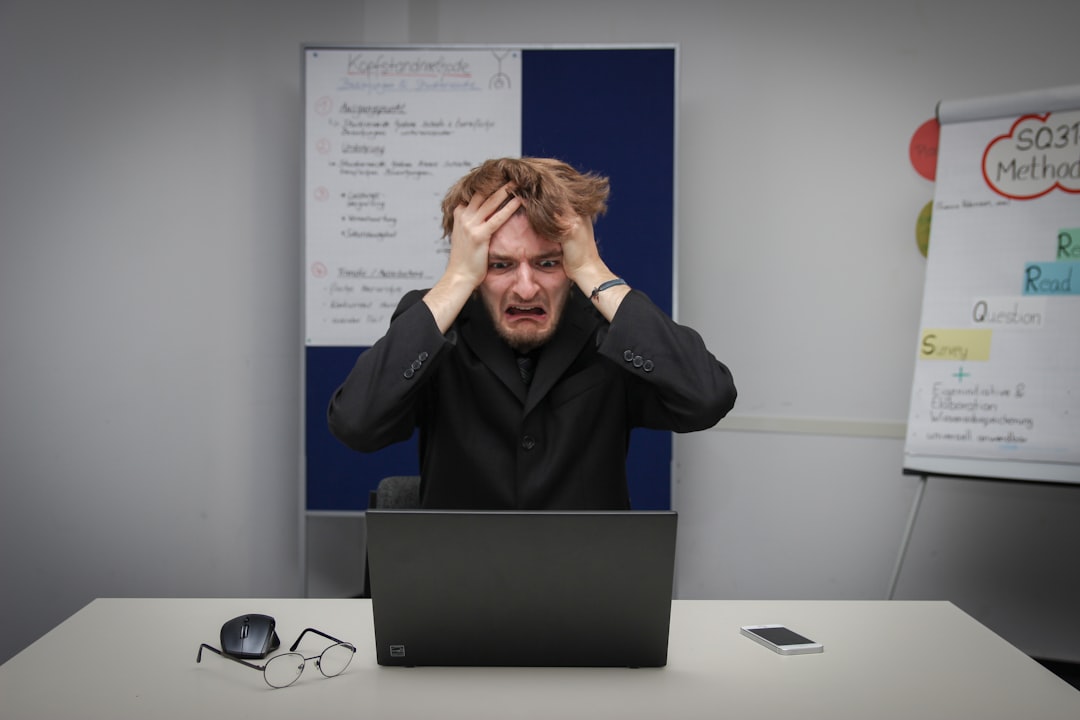
Most beginner traders focus solely on technical analysis and trading strategies, yet they ignore the most powerful factor affecting their results: trading psychology. Your mindset, emotional control, and discipline determine whether you execute your trading plan correctly or let impulses destroy your account. This article explores how psychological factors influence Forex performance and provides practical methods to develop a winning trader's mindset, especially relevant for traders in competitive markets like Iran's Forex community.
The Role of Emotions in Trading Decisions
Fear and greed are the two dominant emotions that sabotage trading performance. Fear causes traders to exit profitable positions too early or avoid taking valid setups altogether. Greed leads to overleveraging, holding losing trades hoping for recovery, and ignoring stop-loss orders. When emotions override logic, even the best trading strategy fails.
Successful traders recognize emotional triggers and implement systems to neutralize them. This includes:
- Writing down trading rules before entering positions
- Using predetermined stop-loss and take-profit levels
- Taking breaks after consecutive losses
- Avoiding revenge trading after emotional setbacks
Developing emotional awareness transforms reactive trading into disciplined execution, which is essential for long-term profitability in Forex markets.
Common Psychological Traps Forex Traders Face
Understanding psychological pitfalls helps traders avoid repeating costly mistakes. The table below summarizes the most common mental traps and their consequences:
| Psychological Trap | Behavior Pattern | Result |
|---|---|---|
| Overconfidence | Taking excessive risk after wins | Large drawdowns |
| Loss Aversion | Holding losing trades too long | Account depletion |
| Confirmation Bias | Ignoring contradictory signals | Poor trade timing |
| FOMO Trading | Chasing price movements | Late entries, losses |
Recognizing these patterns in your own behavior is the first step toward psychological mastery. Many Iranian traders face additional pressure due to market access challenges, making psychological discipline even more critical for consistent performance.
Building Mental Discipline Through Routine
Consistency in trading routines reduces emotional decision-making. Establish a pre-market ritual that includes reviewing economic calendars, analyzing charts objectively, and setting daily risk limits. This structure creates psychological stability.
Key components of a disciplined trading routine include:
- Daily journaling of trades with emotional notes
- Weekly performance reviews focusing on process, not just profit
- Monthly goal-setting based on realistic expectations
- Regular education to maintain skill development
Traders who follow structured routines report lower stress levels and more consistent results. The routine itself becomes a psychological anchor, especially during volatile market conditions.
Risk Management as Psychological Protection
Proper risk management is fundamentally a psychological tool. When you risk only 1-2% per trade, individual losses become manageable events rather than emotional catastrophes. This protection allows rational thinking even during losing streaks.
Position sizing directly impacts mental state. Traders who risk too much per trade experience anxiety that clouds judgment. Calculate position sizes mathematically before entering trades, never adjust risk based on "confidence" in a setup. This separation between analysis and execution protects against emotional bias.
For traders in regions with capital restrictions, like Iran, conservative risk management becomes even more essential since account recovery options may be limited.
Developing a Long-Term Trader's Mindset
Professional traders view Forex as a probability game played over hundreds of trades, not individual wins or losses. This perspective shift reduces emotional attachment to single outcomes. Accept that losses are inevitable and focus on executing your edge consistently.
Meditation, physical exercise, and adequate sleep significantly improve trading psychology. Mental clarity and physical health directly correlate with decision-making quality. Successful traders prioritize well-being as part of their trading business.
Remember that psychological development takes time. Track your emotional progress alongside trading metrics to identify improvement areas and celebrate psychological victories as much as profitable trades.
Conclusion: Trading psychology is not separate from trading skill—it is the foundation that allows technical knowledge to translate into consistent profits. By controlling emotions, avoiding common mental traps, building disciplined routines, implementing strict risk management, and adopting a long-term perspective, traders dramatically improve their Forex performance. Start today by journaling your next ten trades, noting both technical execution and emotional state. Mastering your mind is the ultimate edge in Forex trading.