
What Is a Stop Loss and Why Traders Need It
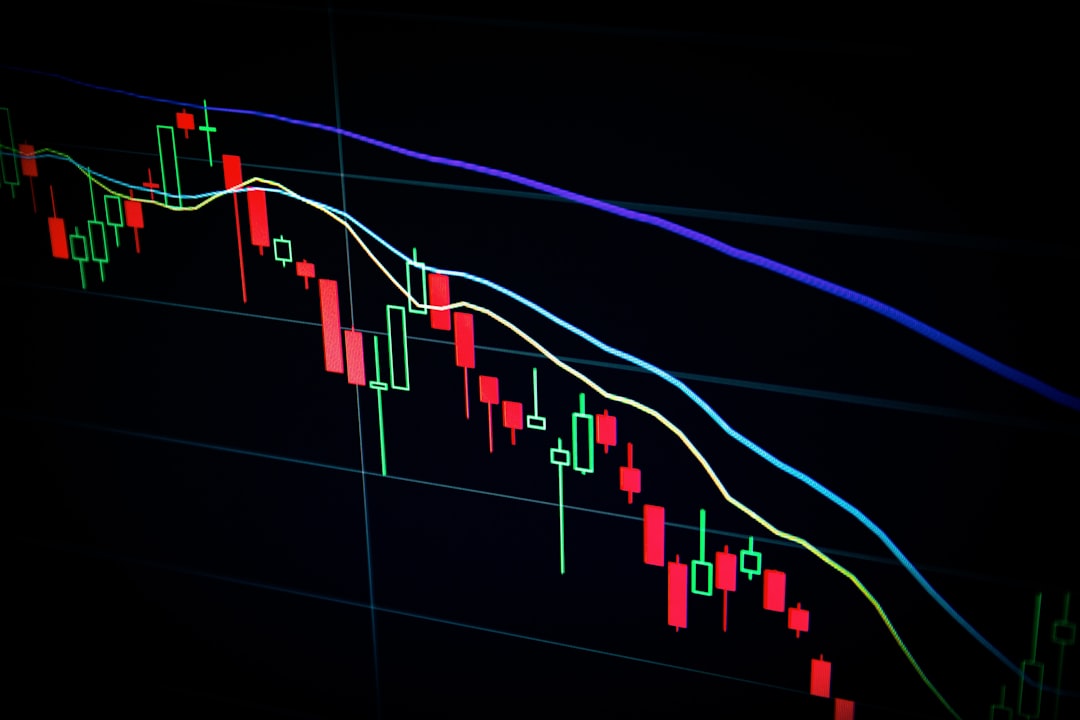
Every Forex trader faces the same critical question: how do I protect my capital when the market moves against me? Without a proper defense mechanism, a single bad trade can wipe out weeks of profits. A stop loss is the most fundamental risk management tool that automatically closes your position at a predetermined price level, limiting potential losses. In this guide, you'll learn exactly what a stop loss is, how it works, and why professional traders never enter a trade without one.
What Is a Stop Loss Order?
A stop loss order is an instruction you give to your broker to automatically close a trading position when the price reaches a specific level that you set in advance. Think of it as a safety net that prevents your losses from spiraling out of control. When you buy EUR/USD at 1.1000, you might set a stop loss at 1.0950, meaning if the price drops to that level, your trade closes automatically with a 50-pip loss.
The stop loss works 24/7, even when you're sleeping or away from your computer. This automation is crucial in the Forex market, which operates around the clock across different time zones. Without a stop loss, you'd need to monitor your trades constantly, which is physically impossible and psychologically exhausting. The order executes at market price once your stop level is triggered, ensuring you exit the position before losses grow larger.
Types of Stop Loss Orders
Traders use different types of stop loss orders depending on their strategy and market conditions. Understanding these variations helps you choose the right protection for each trade.
| Stop Loss Type | How It Works | Best Use Case |
|---|---|---|
| Fixed Stop Loss | Set at specific price level | Clear support/resistance levels |
| Trailing Stop Loss | Moves with profitable price | Trending markets, locking profits |
| Percentage Stop Loss | Based on account percentage | Consistent risk per trade |
| Volatility Stop Loss | Adjusts to ATR indicator | Volatile currency pairs |
Each type serves a different purpose. A trailing stop loss is particularly useful because it follows the price as your trade becomes profitable, protecting gains while giving the trade room to grow. For example, if EUR/USD moves from 1.1000 to 1.1100 in your favor, a trailing stop might move from 1.0950 to 1.1050, securing a 50-pip profit while still allowing upside potential.
Why Every Trader Needs Stop Losses
Capital preservation is the number one rule in trading. Professional traders know that protecting what you have is more important than chasing profits. A stop loss ensures that no single trade can destroy your account. Consider this: if you lose 50% of your capital, you need a 100% return just to break even. By limiting each loss to 1-2% of your account using stop losses, you can survive dozens of losing trades and still remain in the game.
Stop losses also remove emotional decision-making from trading. When a trade moves against you, fear and hope cloud your judgment. You might hold onto losing positions, thinking "it will come back,