
How Economic News Influences Currency Markets
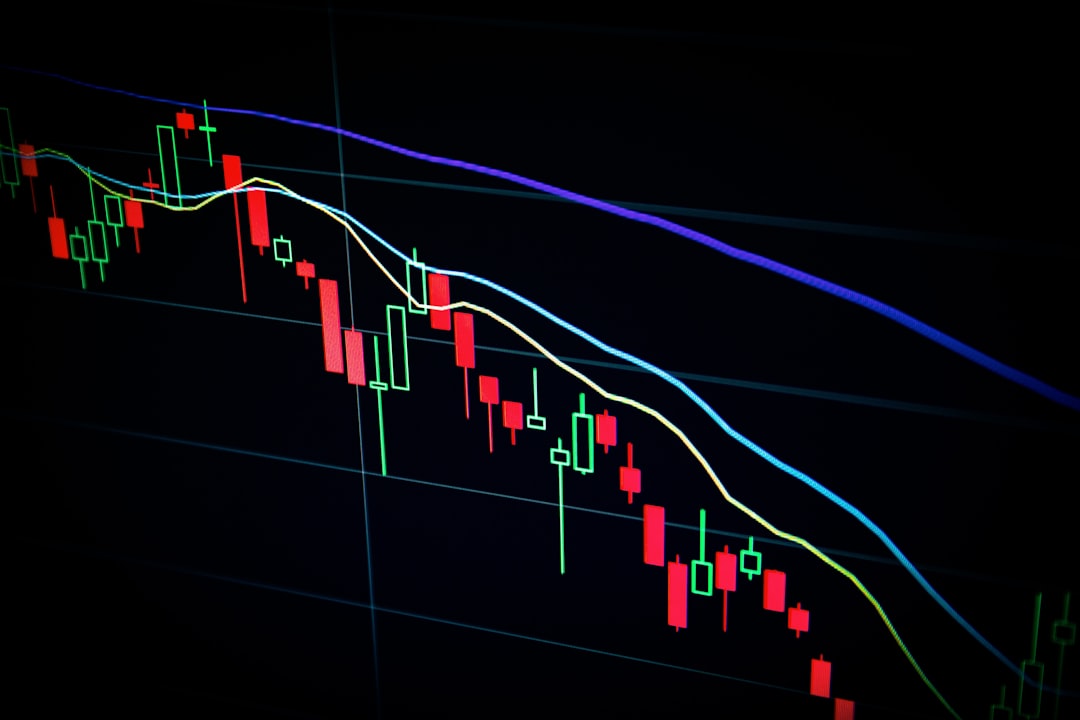
Currency markets react swiftly to economic announcements, creating both opportunities and risks for Forex traders. Understanding how news releases move exchange rates is essential for managing positions effectively and avoiding unexpected losses. This guide explains which economic indicators drive currency movements, how traders interpret data releases, and practical strategies for trading around news events without excessive risk exposure.
Why Economic News Moves Currency Pairs
Economic data provides insight into a country's financial health, directly affecting investor confidence and currency demand. When economic reports exceed expectations, the national currency typically strengthens as investors anticipate higher interest rates or improved growth prospects. Conversely, disappointing data often triggers sell-offs as traders reduce exposure to weaker economies.
Central banks use economic indicators to guide monetary policy decisions. Interest rate changes have the most powerful impact on currency values because they affect investment returns. Higher rates attract foreign capital seeking better yields, increasing demand for that currency. Traders closely monitor inflation reports, employment data, and GDP figures because these metrics influence central bank decisions.
Market participants also consider the surprise factor. A moderate positive result that matches forecasts may cause minimal price movement, while an unexpected reading can trigger sharp volatility. This is why experienced traders focus on consensus estimates and historical trends rather than absolute numbers alone.
Key Economic Indicators That Impact Forex
Several categories of economic news consistently produce significant currency movements. Understanding their relative importance helps traders prioritize which releases to monitor and when to exercise caution.
| Indicator Type | Market Impact | Release Frequency |
|---|---|---|
| Interest Rate Decisions | Very High | Monthly or Quarterly |
| Employment Reports | High | Monthly |
| Inflation Data (CPI) | High | Monthly |
| GDP Growth | Medium to High | Quarterly |
| Manufacturing PMI | Medium | Monthly |
Non-farm payrolls in the United States represent the most watched monthly employment indicator globally, often creating 50-100 pip movements in major pairs. Consumer Price Index releases reveal inflation trends that guide interest rate expectations. Retail sales, trade balance data, and consumer confidence surveys provide additional context about economic momentum.
Political events and geopolitical tensions also function as news drivers, though they're less predictable than scheduled economic releases. Traders must stay aware of both calendar events and unexpected developments.
How Professional Traders Approach News Events
Experienced Forex participants employ specific techniques to manage news-related volatility while protecting their capital. The most common approach involves staying flat during major releases—closing positions beforehand and waiting for initial volatility to subside before re-entering.
Some traders use straddle strategies, placing pending orders above and below current prices to capture breakout movements regardless of direction. This requires tight stop-losses and quick execution, making it suitable only for traders with solid risk management discipline.
The safest method for beginners involves observational trading: watching how markets react to news, identifying the new trend direction after the initial spike, then entering trades that align with established momentum. This approach sacrifices immediate entry but reduces the risk of being caught in false breakouts or rapid reversals that frequently occur in the first minutes after major announcements.
Risk Management During High-Impact News
News events increase both opportunity and danger in equal measure. Spread widening commonly occurs during major releases as liquidity providers protect themselves from rapid price changes, effectively increasing your trading costs and making stop-losses less precise.
Consider these protective measures:
- Reduce position sizes by 50% or more during scheduled high-impact events
- Widen stop-loss distances to accommodate temporary volatility spikes
- Avoid entering new trades 15-30 minutes before major releases
- Never use maximum leverage when trading around economic data
Understanding your broker's news trading policies is also critical. Some brokers restrict trading during extreme volatility or impose different spread conditions, which can affect execution quality and profitability calculations.
Building a News Trading Strategy
Successful news trading requires preparation, patience, and realistic expectations. Start by maintaining an economic calendar that lists all scheduled releases with their expected impact levels. Focus initially on learning how your preferred currency pairs react to their home country indicators.
Develop a consistent routine: review upcoming releases each week, note consensus forecasts, and observe actual results versus expectations. Track how different types of surprises affect price action. Over time, you'll recognize patterns that help you anticipate market behavior more accurately.
Remember that trading the news is not about predicting outcomes—it's about understanding market reactions and positioning accordingly. Even correct predictions can result in losses if market interpretation differs from your expectations or if technical factors override fundamental logic.
For traders in regions with restricted access to international markets, understanding global economic news remains valuable for educational purposes and for future opportunities as market access evolves.
Conclusion
Economic news fundamentally shapes currency market direction, creating both trading opportunities and significant risks. By understanding which indicators matter most, how markets typically react, and implementing proper risk controls, traders can navigate news events more confidently. Focus on education, observation, and gradual skill development rather than attempting to profit from every release. Consistent discipline around high-impact events protects your capital while you build the experience needed for long-term Forex success.