
The Best Trading Habits for Beginner Forex Traders
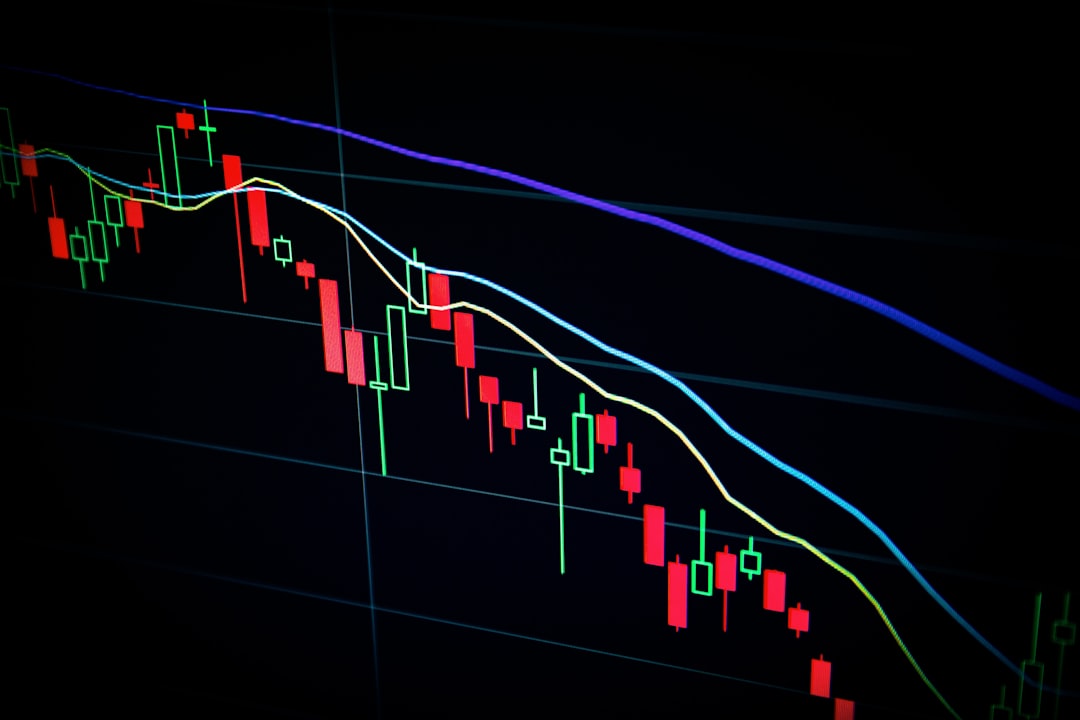
Starting your journey in Forex trading can feel overwhelming. Many beginners jump into the markets without establishing proper habits, leading to costly mistakes and emotional trading decisions. This guide will introduce you to the essential trading habits that successful Forex traders use daily. By building these practices from day one, you'll create a strong foundation for sustainable trading performance and better risk management in the currency markets.
Develop a Structured Trading Routine
Consistency begins with routine. Successful Forex traders don't approach the markets randomly—they follow a structured daily process. Start each trading session by reviewing economic calendars, checking major currency pair movements, and analyzing your open positions. This habit helps you stay informed about market-moving events and prevents impulsive decisions.
Your routine should include specific times for market analysis, trade execution, and performance review. Many traders find success by dedicatingmornings to chart analysis and afternoons to reviewing trade outcomes. Building a routine reduces emotional interference and creates a professional approach to trading, similar to any other business operation.
Maintain a Detailed Trading Journal
A trading journal is your most valuable learning tool. Record every trade you make, including entry and exit points, position size, the reasoning behind your decision, and emotional state. This habit transforms random trading into a data-driven learning process.
Your journal should document:
- Trade setup and strategy used
- Market conditions at entry and exit
- Profit or loss amount and percentage
- Emotional factors influencing decisions
- Lessons learned from each trade
Review your journal weekly to identify patterns in your trading behavior. You'll discover which strategies work best for you, recognize recurring mistakes, and understand how emotions affect your decision-making. This self-awareness is crucial for continuous improvement in Forex trading.
Implement Strict Risk Management Rules
Risk management separates successful traders from those who blow their accounts. Never risk more than 1-2% of your trading capital on a single trade. This fundamental rule ensures that a series of losses won't devastate your account, giving you staying power in the markets.
| Risk Management Habit | Purpose | Recommended Practice |
|---|---|---|
| Position Sizing | Controls exposure per trade | 1-2% of account capital |
| Stop-Loss Orders | Limits potential losses | Set before entering trade |
| Risk-Reward Ratio | Ensures profitable edge | Minimum 1:2 ratio |
| Daily Loss Limit | Prevents revenge trading | Stop after 3 consecutive losses |
Always use stop-loss orders and never move them further away from your entry price. Calculate your position size based on your stop-loss distance and account size. These habits protect your capital and keep emotions out of loss management decisions.
Commit to Continuous Education
The Forex market constantly evolves, and successful traders never stop learning. Dedicate time each week to studying trading concepts, analyzing professional traders' strategies, and understanding global economic factors that drive currency movements. Continuous education keeps your skills sharp and exposes you to new trading approaches.
Focus your learning on fundamental analysis, technical indicators, economic data interpretation, and trading psychology. Read reputable trading books, take online courses from established educators, and participate in trading communities where experienced traders share insights. However, always verify information and avoid sources promising unrealistic returns or secret formulas.
Practice Patience and Discipline
The best trades often require waiting for optimal setups. Develop the habit of patience by only taking trades that meet your predefined criteria. Disciplined traders understand that not trading is sometimes the best decision. Overtrading—taking too many positions out of boredom or excitement—is a common beginner mistake that erodes profits through excessive spreads and poor-quality setups.
Create a checklist for every trade setup and only execute when all criteria are met. This might include specific technical patterns, favorable risk-reward ratios, confirmation from multiple timeframes, or alignment with broader market trends. Patience combined with discipline creates the foundation for consistent profitability in Forex trading.
Building strong trading habits takes time and conscious effort, but these practices will serve you throughout your Forex trading career. Start implementing these habits today—begin with a trading journal, establish your daily routine, and commit to strict risk management. Remember, successful trading is about consistency and continuous improvement, not quick profits. Focus on developing these habits, and your trading performance will naturally improve over time.