
Why Most Beginner Traders Lose Money Quickly in Forex
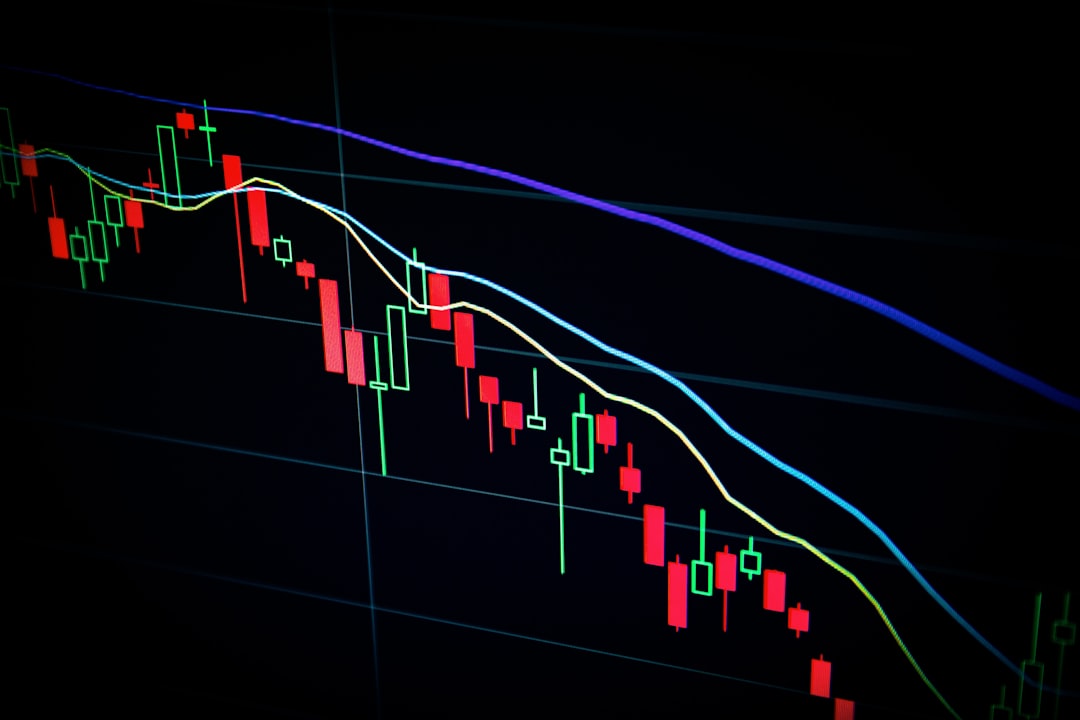
Statistics show that 70-90% of beginner Forex traders lose money within their first year of trading. This sobering reality isn't due to bad luck or market manipulation—it's the result of predictable mistakes that can be avoided. Understanding why most newcomers fail is the first step toward becoming part of the profitable minority. In this post, you'll learn the core reasons beginners lose capital quickly and how to protect yourself from these common traps.
Unrealistic Expectations About Quick Profits
Many beginners enter Forex trading believing they can turn small accounts into large fortunes overnight. This misconception is fueled by social media marketing, success stories without context, and misunderstanding of leverage. Professional traders typically target 1-3% monthly returns, not 50% or 100%. When beginners aim for unrealistic profits, they take excessive risks that lead to rapid account depletion.
The reality is that consistent profitability requires months or years of education, practice, and psychological development. Traders who approach Forex as a long-term skill-building process rather than a get-rich-quick scheme have significantly better survival rates. Setting realistic expectations from day one protects your capital and mental health throughout the learning journey.
Lack of Proper Risk Management
The number one technical reason traders lose money is poor risk management. Beginners often risk 10-20% or more of their account on single trades, meaning just 5-10 consecutive losses can wipe out their entire capital. Professional traders never risk more than 1-2% per trade, ensuring they can survive dozens of losing trades while remaining in the game.
| Risk Per Trade | Consecutive Losses to Lose 50% | Survival Probability |
|---|---|---|
| 10% | 7 trades | Very Low |
| 5% | 14 trades | Low |
| 2% | 35 trades | Moderate |
| 1% | 69 trades | High |
Without strict stop-loss orders and position sizing rules, even winning strategies become losing propositions. Risk management isn't optional—it's the foundation of trading survival. Beginners who master this concept before focusing on strategy selection dramatically increase their odds of long-term success.
Emotional Trading and Revenge Psychology
After experiencing losses, many beginners immediately try to recover their money through larger trades or increased frequency. This revenge trading pattern is driven by emotion rather than analysis, leading to compounding losses. Fear and greed override rational decision-making, causing traders to abandon their strategies at the worst possible moments.
Common emotional mistakes include:
- Moving stop-losses further away when trades move against you
- Doubling position sizes after losses to "make it back faster"
- Taking profits too early due to fear of giving back gains
- Holding losing positions too long hoping for reversals
Successful trading requires emotional discipline and the ability to follow predefined rules regardless of recent outcomes. Keeping a trading journal, taking breaks after losses, and treating each trade independently helps maintain psychological balance and prevents emotional spiral patterns.
Insufficient Education and Demo Practice
Many beginners jump into live trading with real money after watching a few YouTube videos or reading basic articles. They lack understanding of market structure, price action, fundamental analysis, and the relationship between different market factors. This knowledge gap leads to poor trade selection and misinterpretation of market signals.
Professional traders typically spend 6-12 months in demo accounts before risking real capital. This practice period allows you to:
- Test strategies in real market conditions without financial risk
- Develop pattern recognition skills across different market scenarios
- Build confidence in your trading decisions through repetition
- Identify and correct mistakes before they cost real money
The Forex market will still be there after your education period. Rushing into live trading before achieving consistent demo profitability is like performing surgery after reading a medical textbook—technically possible but extremely dangerous.
Overleveraging and Misunderstanding Margin
Leverage allows traders to control larger positions than their account balance would normally permit. While leverage can amplify profits, it equally amplifies losses. Many brokers offer 1:100