
How to Practice Forex Trading Without Real Risk
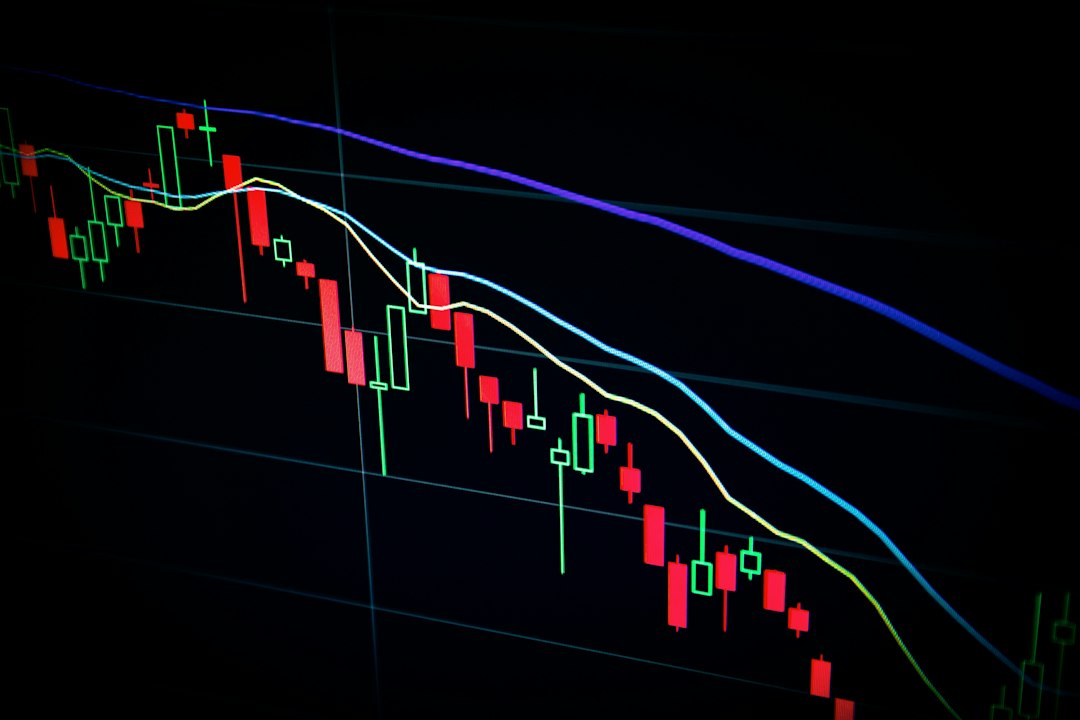
Starting Forex trading with real money before mastering the basics is a common mistake that leads to significant losses. Many beginners jump into live markets without proper preparation, risking their capital unnecessarily. This article explains how to practice Forex trading safely using demo accounts and simulation tools, allowing you to develop skills, test strategies, and build confidence before investing real funds.
Understanding Demo Trading Accounts
A demo trading account is a simulated trading environment that replicates real market conditions without financial risk. These accounts are provided free by most Forex brokers and come loaded with virtual currency, typically $10,000 to $100,000. Demo accounts use live market data, so you experience actual price movements, spreads, and execution speeds. This makes them ideal for understanding how currency pairs behave, how leverage works, and how different order types function. The main difference from live trading is that your emotions aren't engaged since no real money is at stake, which is both an advantage for learning and a limitation for psychological preparation.
Key Benefits of Risk-Free Practice Trading
Practicing with demo accounts offers several critical advantages for developing Forex skills:
- Strategy testing: Experiment with different trading approaches like scalping, day trading, or swing trading without consequences
- Platform familiarity: Learn to navigate trading software, place orders, set stop-losses, and analyze charts efficiently
- Risk management practice: Test position sizing, leverage ratios, and risk-reward calculations in real market conditions
- Mistake learning: Make errors and learn from them without depleting your capital
- Market observation: Study how economic news, geopolitical events, and technical patterns affect currency prices
These benefits allow beginners to compress months of learning into weeks of focused practice, significantly reducing the learning curve when transitioning to live trading.
Comparing Practice Methods for Forex Traders
Different practice methods suit different learning styles and experience levels. Understanding their strengths and limitations helps you choose the right approach:
| Method | Best For | Limitations | Cost |
|---|---|---|---|
| Demo Account | Complete beginners learning platform and basics | No emotional pressure | Free |
| Paper Trading | Strategy backtesting and manual analysis | Time-consuming manual tracking | Free |
| Micro Account | Transition phase with minimal real risk | Small amounts still real money | $10-100 |
| Trading Simulator | Advanced scenario practice and speed training | May not reflect current market | Varies |
Best Practices for Effective Demo Trading
Treat your demo account like real money. Many traders make the mistake of taking excessive risks with virtual funds, developing bad habits that prove costly later. Set realistic account sizes that match what you plan to trade live, typically $500 to $5,000 for beginners. Practice proper position sizing—never risk more than 1-2% of your account per trade. Keep a detailed trading journal documenting every trade's rationale, entry point, exit strategy, and emotional state. This record becomes invaluable for identifying patterns in your decision-making. Spend at least 2-3 months on demo trading before considering live accounts, ensuring you can demonstrate consistent profitability over multiple market conditions including trending, ranging, and volatile periods.
Transitioning from Practice to Live Trading
Moving to real money requires careful planning and psychological preparation. Start with a micro or mini account where lot sizes are smaller, allowing you to trade with amounts as low as $100-500. This bridges the gap between demo and standard accounts, introducing real financial risk gradually. Expect your performance to dip initially—emotional factors like fear and greed emerge when real money is involved. Continue journaling and reviewing trades regularly. Only increase your trading size after maintaining profitability for at least three consecutive months. Remember that consistent, small gains compound over time, while trying to recover losses quickly often leads to bigger drawdowns. Risk management remains paramount throughout your trading journey.
Practice trading without real risk is an essential foundation for Forex success. By dedicating sufficient time to demo accounts, developing disciplined habits, and transitioning gradually to live markets, you significantly improve your chances of long-term profitability. Start your risk-free practice today and build the skills needed for confident, informed trading.