
The Difference Between Scalping and Swing Trading
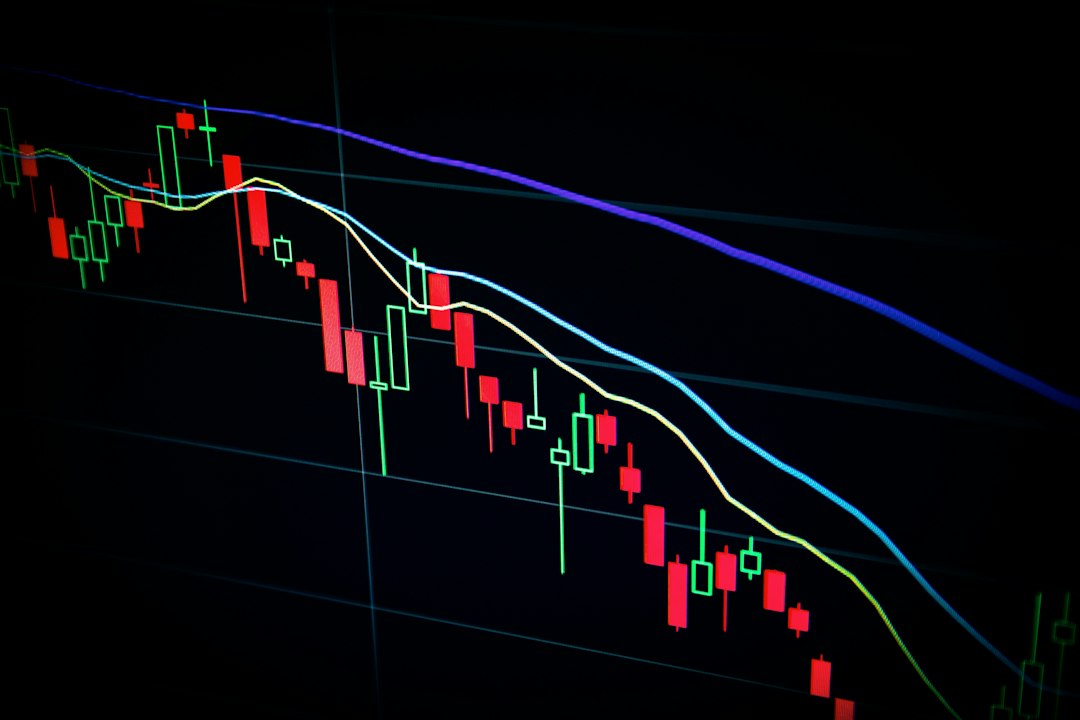
Choosing the right trading style is crucial for success in Forex markets. Two popular approaches—scalping and swing trading—offer vastly different methods for capturing market profits. While scalping focuses on rapid-fire trades lasting seconds to minutes, swing trading aims to capture larger price movements over days or weeks. Understanding these differences helps traders align their strategy with their schedule, risk tolerance, and personality. This guide breaks down both methods to help you decide which approach fits your trading goals.
What Is Scalping in Forex Trading?
Scalping is an ultra-short-term trading strategy where traders open and close positions within seconds to minutes, aiming to profit from small price movements. Scalpers execute dozens or even hundreds of trades per day, targeting gains of 5-10 pips per trade. This method requires intense focus, quick decision-making, and constant market monitoring.
Key characteristics of scalping include:
- Very short holding periods (seconds to minutes)
- High trade frequency (20-200+ trades daily)
- Small profit targets per trade (5-15 pips)
- Requires tight spreads and fast execution
- Demands full-time attention during trading hours
Scalping works best during high-liquidity sessions when spreads are tightest, such as the London-New York overlap. Traders typically use 1-minute or 5-minute charts and rely on technical indicators like moving averages, RSI, and Bollinger Bands for entry signals.
Understanding Swing Trading Strategies
Swing trading captures medium-term price movements by holding positions for several days to weeks. Swing traders aim to profit from market "swings" or price waves, targeting 50-300 pips or more per trade. This approach requires less screen time and suits traders who cannot monitor markets constantly.
Swing trading characteristics include:
- Medium-term holding periods (2 days to 4 weeks)
- Lower trade frequency (5-20 trades monthly)
- Larger profit targets per trade (50-500+ pips)
- Based on daily and 4-hour chart analysis
- Requires patience and discipline to hold positions
Swing traders analyze both technical patterns (support/resistance, trend lines, chart formations) and fundamental factors (economic data, central bank policies) to identify trading opportunities. This style accommodates part-time traders with full-time jobs.
Comparing Risk and Capital Requirements
Risk profiles and capital needs differ significantly between these strategies. Scalpers typically risk 1-3 pips per trade with tight stop-losses, while swing traders accept wider stops of 30-100 pips to accommodate normal market fluctuations. However, scalping's high trade frequency means cumulative risk exposure increases dramatically.
| Factor | Scalping | Swing Trading |
|---|---|---|
| Stop Loss Size | 1-5 pips | 30-100 pips |
| Trade Frequency | 50-200 daily | 5-20 monthly |
| Time Commitment | Full-time monitoring | 1-2 hours daily |
| Minimum Capital | $500-1000 | $1000-5000 |
| Stress Level | Very high | Moderate |
Transaction costs heavily impact scalpers due to frequent trading. With spreads and commissions on every trade, scalpers need extremely tight spreads and favorable broker conditions. Swing traders face fewer transactions, making costs less critical to overall profitability.
Which Trading Style Suits You Best?
Selecting between scalping and swing trading depends on your personal circumstances and trading psychology. Scalping suits traders who thrive under pressure, can make split-second decisions, and dedicate full trading sessions to the markets. It requires excellent emotional control and the ability to execute without hesitation.
Swing trading better serves traders with limited time, those seeking lower stress levels, and individuals who prefer analysis over rapid execution. If you have a day job or prefer a more relaxed trading pace, swing trading provides flexibility while still offering substantial profit potential. Beginners often find swing trading more forgiving, as it allows time for thoughtful analysis rather than instant reactions.
Consider these questions: Can you monitor screens for hours continuously? Do you handle stress well? How much capital can you risk? Your honest answers will guide your choice. Remember, many successful traders combine both approaches, scalping during active sessions and swing trading for longer-term opportunities.
Essential Tools and Market Conditions
Both strategies require different technical setups and thrive in specific market conditions. Scalpers need fast execution platforms, real-time data feeds, and brokers offering ECN or STP execution with minimal slippage. Scalping performs best in ranging or slightly trending markets with high volatility and liquidity.
Swing traders benefit from reliable charting platforms with multiple timeframe analysis, economic calendars, and fundamental news feeds. This style works well in clearly trending markets where price moves in defined waves. Swing traders must also account for overnight risk—the possibility of gaps or adverse price movements while positions remain open during non-trading hours.
Regardless of your choice, proper risk management remains non-negotiable. Never risk more than 1-2% of your trading capital per trade. Both scalpers and swing traders must maintain strict discipline, follow their trading plans, and continuously educate themselves on market dynamics and international trading regulations affecting Forex accessibility.
Both scalping and swing trading offer viable paths to Forex profitability, but they demand different skills, timeframes, and personalities. Assess your available time, stress tolerance, and capital honestly before committing to either approach. Consider practicing both strategies on demo accounts to discover which aligns with your natural trading rhythm. Remember, successful trading comes from consistency and discipline, not just choosing the right style.