
How to Build a Simple Forex Trading Strategy
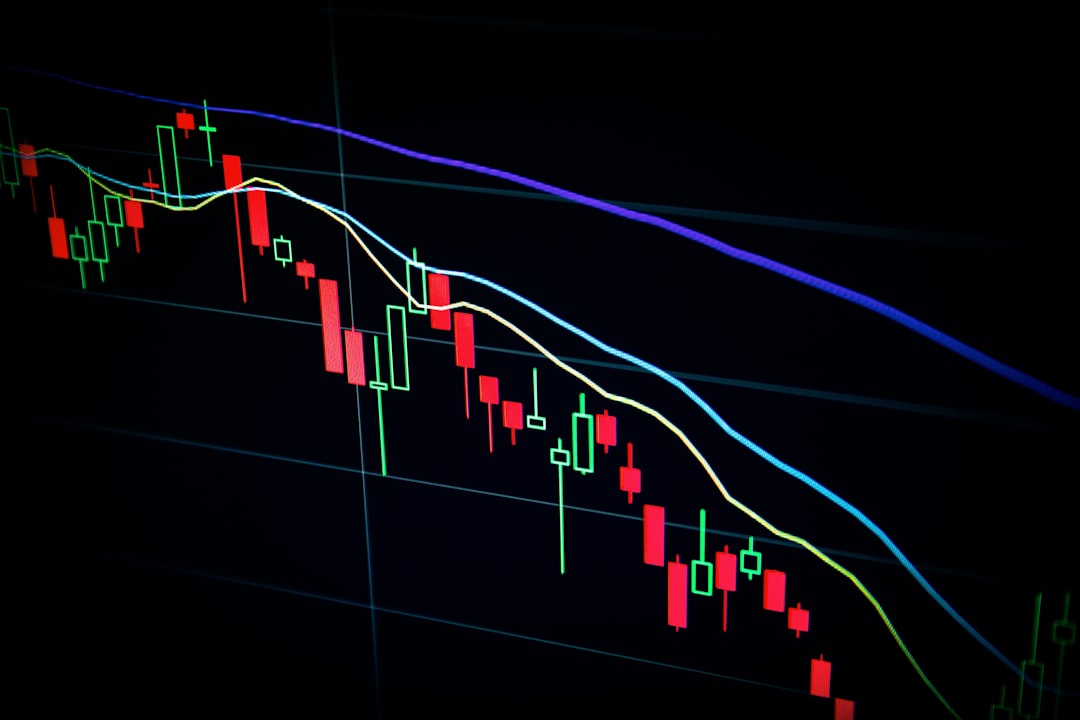
Building a Forex trading strategy doesn't require years of experience or complex algorithms. Many beginner traders struggle because they lack a structured approach to entering and exiting trades. In this guide, you'll learn how to construct a simple, effective Forex trading strategy using clear rules, proper risk management, and realistic expectations that can help you navigate currency markets with confidence.
Essential Components of a Trading Strategy
Every successful Forex trading strategy consists of four fundamental components that work together. First, you need a clear market analysis method—either technical analysis using indicators and chart patterns, or fundamental analysis based on economic news and data. Second, you must establish specific entry rules that define when to open a position. Third, create exit rules for both profit targets and stop losses. Finally, implement position sizing rules that determine how much capital to risk per trade.
Key strategy elements include:
- Market condition identification (trending or ranging)
- Time frame selection (daily, 4-hour, or 1-hour charts)
- Indicator combination (2-3 maximum to avoid confusion)
- Clear entry and exit signals
- Risk-reward ratio of at least 1:2
Building Your Strategy Step-by-Step
Start by selecting one currency pair to master, such as EUR/USD, which offers tight spreads and high liquidity. Choose your trading time frame based on your schedule—day traders might use 15-minute or 1-hour charts, while swing traders prefer daily charts. Next, select 2-3 simple indicators that complement each other, such as moving averages for trend direction and RSI for momentum confirmation.
Write down your entry rules with precision. For example: "Enter a long position when the 50-period moving average crosses above the 200-period moving average, and RSI is above 50." Your exit rules should be equally specific: "Place stop loss 50 pips below entry, and take profit at 100 pips above entry for a 1:2 risk-reward ratio."
| Strategy Component | Simple Approach | Purpose |
|---|---|---|
| Trend Identification | Moving Average Crossover | Determine market direction |
| Entry Confirmation | RSI or MACD Signal | Validate trade timing |
| Risk Management | Fixed 2% per trade | Protect trading capital |
| Exit Strategy | 1:2 Risk-Reward Ratio | Ensure positive expectancy |
Risk Management Rules
Risk management separates successful traders from those who blow their accounts. Never risk more than 1-2% of your total trading capital on a single trade. If you have a $1,000 account, your maximum risk per trade should be $10-$20. Calculate your position size based on your stop loss distance—if your stop is 50 pips away and you want to risk $20, your position size should be adjusted accordingly.
Essential risk management practices:
- Never move stop losses farther from entry
- Use consistent position sizing across all trades
- Avoid revenge trading after losses
- Keep a maximum of 3 open positions simultaneously
Testing and Refining Your Strategy
Before risking real money, test your strategy using a demo account for at least 30-50 trades or two months. Track every trade in a journal, recording entry price, exit price, reasoning, and emotional state. This data reveals whether your strategy has a positive expectancy—meaning it wins more money than it loses over time.
Analyze your results objectively. Calculate your win rate, average win size, and average loss size. A strategy with a 40% win rate can still be profitable if your average wins are twice your average losses. Make small adjustments based on your findings, but avoid changing your strategy after every losing trade. Consistency and discipline matter more than perfection.
Common Mistakes to Avoid
New traders often overcomplicate their strategies by adding too many indicators, creating conflicting signals and analysis paralysis. Others fail to follow their own rules, entering trades based on emotions rather than their predefined criteria. Some traders risk too much per trade, hoping to recover losses quickly, which typically accelerates account depletion.
Another critical mistake is failing to account for trading costs. Spreads and commissions reduce your profits on every trade, so your strategy must generate enough winning trades to overcome these costs. Additionally, ignoring market conditions leads to poor results—trend-following strategies fail in ranging markets, while range-trading approaches lose money in strong trends.
Conclusion
Building a simple Forex trading strategy requires defining clear rules for entry, exit, and risk management, then testing those rules consistently. Focus on one currency pair, use 2-3 complementary indicators, and never risk more than 2% per trade. Remember that no strategy wins 100% of the time—your goal is consistent application and positive expectancy over many trades. Start with a demo account, track your results diligently, and refine your approach based on real performance data before committing significant capital.