
How Risk Management Protects Forex Trading Accounts
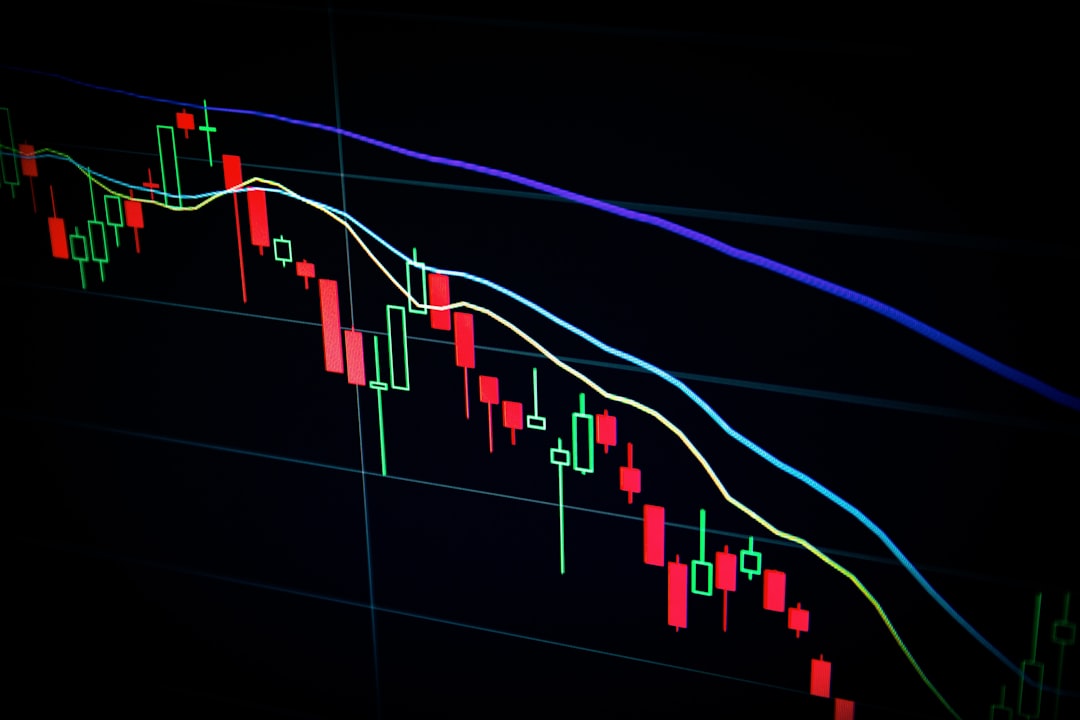
Every Forex trader faces the possibility of losses, but successful traders distinguish themselves through disciplined risk management. Without proper risk controls, even profitable trading strategies can lead to account devastation. This guide explores the fundamental risk management techniques that protect your trading capital and ensure long-term survival in the Forex markets, regardless of where you trade from globally.
Understanding Position Sizing for Capital Protection
Position sizing determines how much capital you risk on each trade. Most professional traders never risk more than 1-2% of their total account balance on a single position. This conservative approach ensures that even a series of consecutive losses won't wipe out your account. For example, if you have a $10,000 account and risk 1% per trade, you can withstand 10 losing trades and still retain 90% of your capital.
Calculate your position size using this formula: Position Size = (Account Balance × Risk Percentage) ÷ Stop Loss in Pips. This mathematical approach removes emotion from trading decisions and creates consistency. Many traders fail because they overtrade or risk too much on "sure things" that turn into losses.
Stop-Loss Orders: Your Trading Safety Net
A stop-loss order automatically closes your position when price reaches a predetermined level, limiting your maximum loss. Never enter a Forex trade without setting a stop-loss. This single discipline separates professional traders from gamblers. Your stop-loss should be based on technical analysis, not arbitrary numbers or emotional comfort levels.
Consider these stop-loss placement strategies:
- Support and resistance levels: Place stops beyond key chart levels where price direction typically changes
- Volatility-based stops: Use Average True Range (ATR) indicators to account for normal market fluctuations
- Percentage-based stops: Set stops at fixed percentage levels that align with your risk tolerance
- Time-based stops: Exit positions that don't move in your favor within a specific timeframe
Risk-Reward Ratio and Trade Selection
The risk-reward ratio compares potential profit to potential loss before entering a trade. Professional traders typically seek ratios of 1:2 or higher, meaning they aim to make at least twice what they risk. This ratio allows you to be profitable even with a win rate below 50%. If you risk $100 to make $200, you only need to win 40% of trades to break even, and anything above that becomes profit.
| Risk-Reward Ratio | Required Win Rate | Long-term Result |
|---|---|---|
| 1:1 | 50% | Breakeven (minus spreads) |
| 1:2 | 34% | Breakeven |
| 1:3 | 25% | Breakeven |
| 1:2 (50% wins) | 50% | Positive expectancy |
Before entering any trade, identify your entry point, stop-loss level, and profit target. If the risk-reward ratio doesn't meet your minimum threshold, skip the trade. Patience in trade selection is a form of risk management.
Diversification and Correlation Management
Diversification in Forex means avoiding overexposure to correlated currency pairs. If you're long EUR/USD and EUR/GBP simultaneously, you're essentially doubling your exposure to euro strength. Understanding currency correlations prevents hidden concentration risk. Major pairs like EUR/USD and GBP/USD often move together because both involve the US dollar.
Limit the number of open positions based on your account size. Small accounts should focus on 1-3 positions maximum, while larger accounts can handle more. Quality over quantity applies directly to Forex trading. Each position should represent a distinct opportunity, not redundant exposure to the same market direction.
Emotional Discipline and Trading Psychology
Risk management extends beyond numbers into trading psychology. Fear and greed destroy more accounts than bad strategies. When you follow predetermined risk rules, you remove emotional decision-making from critical moments. Never move your stop-loss further away because a trade is going against you—this is how small losses become account-destroying disasters.
Create a trading plan that includes maximum daily loss limits. If you hit this threshold, stop trading for the day. This circuit breaker prevents revenge trading, where frustrated traders take increasingly risky positions trying to recover losses. Professional traders accept losses as business expenses and move forward without emotional attachment.
Risk management isn't about avoiding losses—it's about controlling them. By implementing position sizing rules, using stop-losses consistently, selecting trades with favorable risk-reward ratios, diversifying properly, and maintaining emotional discipline, you protect your Forex trading account from catastrophic drawdowns. These practices transform trading from gambling into a sustainable business. Start applying these principles today, and your future trading self will thank you.