
How Central Banks Affect Forex Market Prices
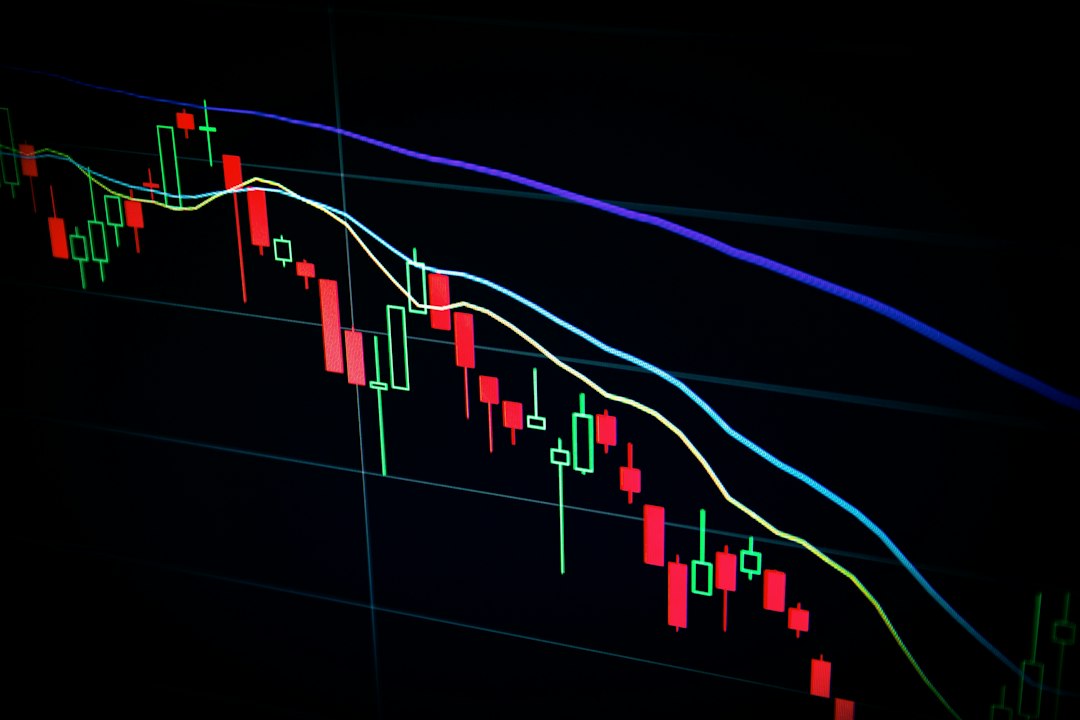
Central banks are the most powerful players in the Forex market. Their decisions on interest rates, money supply, and economic policy can move currency prices dramatically within minutes. For traders in Iran and globally, understanding central bank behavior is essential for predicting market movements and managing trading risk. This guide explains how these institutions shape Forex prices and what traders need to monitor.
What Are Central Banks and Their Role in Forex
Central banks are national financial institutions responsible for managing a country's monetary policy, controlling inflation, and stabilizing the economy. Major central banks include the US Federal Reserve (Fed), European Central Bank (ECB), Bank of England (BoE), and Bank of Japan (BoJ). Their primary tools are interest rate adjustments, quantitative easing, and foreign exchange interventions.
When a central bank changes its policy, it directly affects the value of its national currency. For example, if the Federal Reserve raises interest rates, the US dollar typically strengthens because higher rates attract foreign investment seeking better returns. Conversely, lowering rates usually weakens the currency as investors seek higher yields elsewhere.
Interest Rate Decisions and Currency Strength
Interest rates are the most significant tool central banks use to influence Forex markets. Higher interest rates make a currency more attractive to international investors because they can earn greater returns on deposits and bonds denominated in that currency. This increased demand pushes the currency price up.
Lower interest rates have the opposite effect. When rates fall, investors move their capital to countries offering better returns, reducing demand for the currency and causing it to depreciate. Traders closely watch central bank meetings and statements for clues about future rate changes, as even hints can trigger major price movements.
| Rate Action | Currency Effect | Trader Response |
|---|---|---|
| Rate Increase | Currency strengthens | Consider buying currency |
| Rate Decrease | Currency weakens | Consider selling currency |
| Rate Hold (Hawkish) | Moderate strength | Monitor for future hikes |
| Rate Hold (Dovish) | Moderate weakness | Prepare for potential cuts |
Quantitative Easing and Money Supply
Quantitative easing (QE) occurs when central banks purchase government bonds and other securities to inject money into the economy. This increases the money supply, which typically weakens the currency because more units are circulating. QE is used during economic crises to stimulate growth.
For example, during the 2008 financial crisis and COVID-19 pandemic, major central banks implemented massive QE programs. The increased money supply led to currency depreciation in countries like the United States and European Union. Traders who understood this relationship could position themselves to profit from weakening currencies by selling them in Forex pairs.
Central Bank Communication and Market Expectations
Modern central banks use forward guidance to communicate their future intentions to markets. Statements from central bank governors, meeting minutes, and economic projections all provide insights into upcoming policy changes. Traders analyze this language carefully—words like "hawkish" (favoring rate increases) or "dovish" (favoring rate cuts) can move markets.
The surprise factor matters significantly. When central bank actions match market expectations, the price movement may be limited because traders have already positioned themselves. However, unexpected decisions create volatility and sharp price swings. Successful traders study economic calendars, follow central bank announcements, and understand the economic indicators these institutions prioritize.
Practical Tips for Trading Central Bank Events
- Monitor the economic calendar for scheduled central bank meetings and announcements
- Read policy statements and press conferences carefully for tone and future guidance
- Avoid high leverage during major announcements due to extreme volatility
- Compare interest rate differentials between currency pairs to identify trading opportunities
- Stay updated on inflation data, employment figures, and GDP growth—the metrics central banks watch
Understanding that central banks prioritize economic stability over trader profits helps you anticipate their moves. They act to control inflation, support employment, and maintain financial system health, not to create trading opportunities.
Central banks are the driving force behind long-term Forex trends and short-term volatility. By understanding their tools, monitoring their communications, and respecting their market power, traders can make more informed decisions and better manage risk. Stay informed about global monetary policy to gain a crucial edge in Forex trading.