
What Beginner Traders Should Know About Volatility
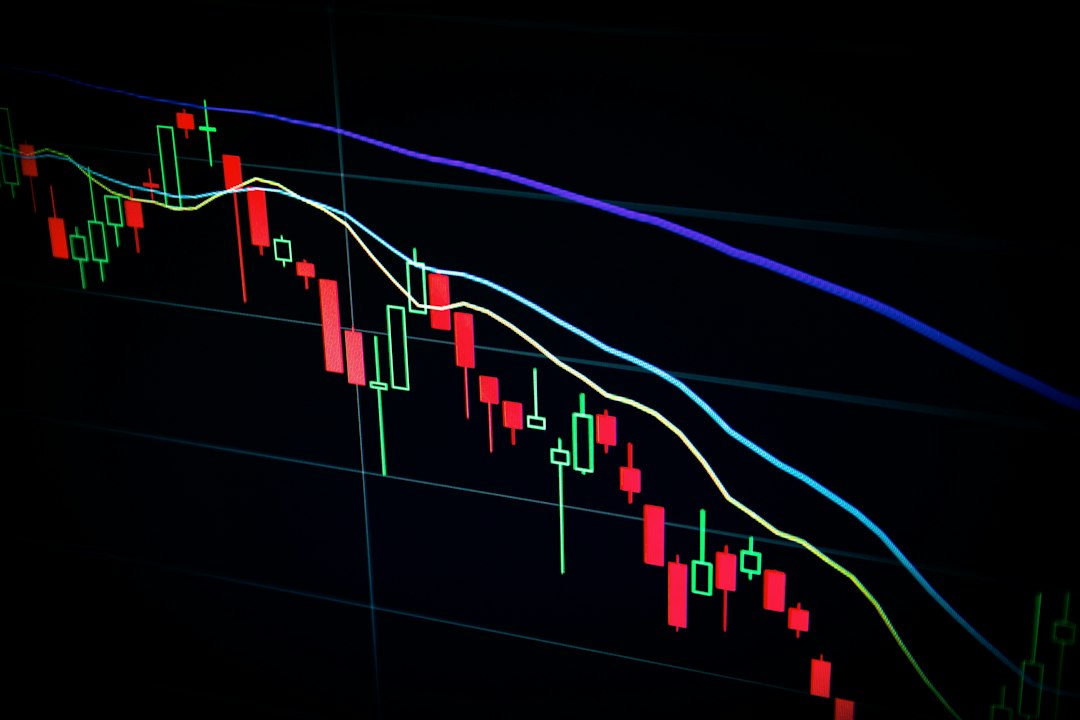
Volatility is one of the most important concepts every beginner Forex trader must understand before placing their first trade. Market volatility refers to how quickly and dramatically currency prices move up and down within a specific timeframe. While volatility creates trading opportunities, it also increases risk significantly. This guide will explain what volatility means, how it impacts your trading decisions, and practical ways to protect your capital when markets become unpredictable.
Understanding Market Volatility in Forex
Volatility measures the speed and magnitude of price changes in currency pairs. High volatility means prices swing dramatically in short periods, while low volatility indicates stable, gradual price movements. Several factors trigger volatility including economic announcements, geopolitical events, central bank decisions, and unexpected news events.
For example, when the U.S. Federal Reserve announces interest rate changes, the USD typically experiences increased volatility across all major pairs. Similarly, political instability or unexpected economic data from major economies can cause sudden price spikes. Beginner traders often underestimate how quickly volatile markets can move against their positions, leading to substantial losses if proper risk management isn't in place.
How Volatility Affects Your Trading Strategy
Different trading strategies perform better under specific volatility conditions. Scalping and day trading strategies often benefit from higher volatility because they seek to profit from rapid price movements within minutes or hours. Conversely, swing trading and position trading strategies may perform better during periods of moderate volatility with clearer trends.
| Volatility Level | Trading Impact | Best Strategy Type |
|---|---|---|
| High Volatility | Rapid price swings, wider spreads | Short-term scalping (experienced traders only) |
| Moderate Volatility | Clear trends, manageable risk | Swing trading, trend following |
| Low Volatility | Tight ranges, minimal movement | Range trading, patience required |
| Unexpected Spikes | Extreme risk, slippage | Avoid trading or use tight stops |
As a beginner, it's crucial to match your trading approach with current market conditions. Trading during extremely volatile periods without proper experience can quickly deplete your account. Many successful traders actually reduce their position sizes or avoid trading entirely during major news events until volatility settles.
Measuring Volatility: Tools and Indicators
Several technical indicators help traders measure and anticipate volatility. The Average True Range (ATR) is one of the most popular tools, showing the average price movement over a specified period. Higher ATR values indicate increased volatility, while lower values suggest calmer markets.
Other useful volatility indicators include Bollinger Bands, which expand during volatile periods and contract during quiet markets, and the Volatility Index (VIX), often called the "fear index." Understanding these tools helps you anticipate when markets might become unstable and adjust your trading plan accordingly. Many experienced traders check volatility indicators before entering positions to ensure current market conditions align with their strategy requirements.
Risk Management During Volatile Markets
Proper risk management becomes even more critical when volatility increases. Here are essential practices every beginner should implement:
- Use appropriate position sizing: Never risk more than 1-2% of your account on a single trade, especially during volatile conditions
- Set wider stop-losses: Volatile markets need more room to breathe; tight stops often get triggered prematurely
- Reduce leverage: High volatility combined with high leverage can wipe out accounts quickly
- Avoid trading during major news: Economic calendars show high-impact events that typically cause volatility spikes
- Monitor correlation: During volatile periods, correlated pairs may move unpredictably, increasing exposure
Remember that volatility works both ways—it can generate profits quickly but also amplify losses just as fast. Conservative position sizing and strict stop-loss discipline are your primary defenses against unexpected market movements that can occur during volatile sessions.
Developing a Volatility-Aware Trading Mindset
Successful traders don't fear volatility—they respect it and adapt their strategies accordingly. As a beginner, focus on building experience during moderate volatility periods before attempting to trade highly volatile markets. Keep a trading journal documenting how different volatility conditions affect your performance and emotional state.
Many novice traders make the mistake of chasing volatile markets hoping for quick profits, only to discover that unpredictable price action requires years of experience to navigate successfully. Start with currency pairs known for moderate volatility like EUR/USD or USD/JPY before exploring more volatile exotic pairs or trading during high-impact news releases.
Understanding volatility is essential for long-term trading success. By recognizing how market volatility affects your trades, using appropriate measurement tools, and implementing strict risk management protocols, you can protect your capital while developing the skills needed to eventually profit from various market conditions. Focus on education, practice with demo accounts during different volatility levels, and gradually build your experience before risking significant capital in unpredictable markets.